
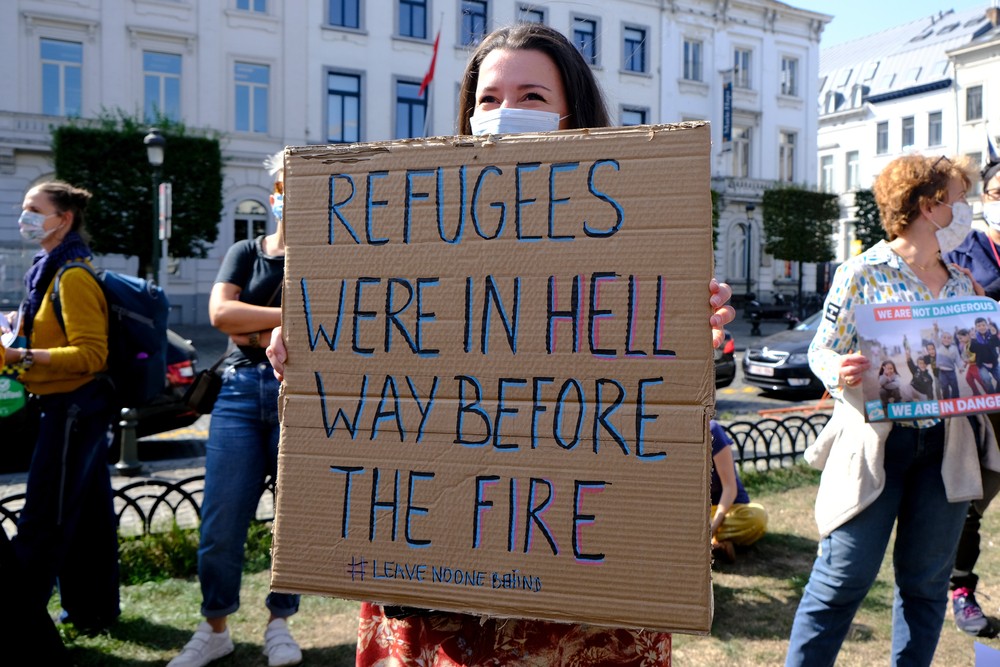
At the end of September, the European Commission has presented a proposal for a new asylum and refugee policy. It is very detailed with a lot of legal regulations. But it does not address the crucial points for an effective solution that corresponds to the challenges on the ground, international law and, above all, human […]
New Pact on Migration and Asylum
Today is International Migrant’s Day, as every 18 December since the UN General Assembly adopted a resolution on the International Convention on the Protection of the Rights of All Migrant Workers and Members of Their Families on 18 December 1990.
30 years later: where does the European Union stand? It is the end of a year that will be remembered for the new coronavirus and all the hardship it created. And again, the most vulnerable have borne the brunt of this hardship, among them, notably, migrants – in Europe, as well as elsewhere.
Three months ago, the European Commission has presented its proposal for a new asylum and refugee policy, the so called New Pact on Migration and Asylum. That is why the Progressive Post takes the opportunity of International Migrant’s Day, to analyse the potential of this ‘New Pact‘.
The former German SPD-presidential candidate and President of Viadrina European University, Gesine Schwan, argues that it does not address “the crucial points for an effective solution that corresponds to the challenges on the ground, international law and, above all, human rights”, and suggests putting the focus rather on the entities that deal with the issue on the round: municipalities.
Giacomo Orsini, from the Université Catholique de Louvain questions the factual grounding of the EU’s migration policy. Two pillars of this policy have actually been disproven for a long time: promoting economic development in countries of origin as a tool to curb migration does not work. And “deportations are simply too complex and contentious to be successfully speeded up”. They, therefore, need reconsideration in the light of academic evidence.
Rather than following the EU’s values of human rights, the EC proposals “call for even more detention, more camps at the external borders […] that limit the fundamental rights of asylum applicants”, laments the MEP Birgit Sippel. And she asks: “if we give up humanity and fundamental rights when dealing with people seeking protection, what are our values […] worth at all?”
Load more

In March 2020, a number of academics in charge of different EU funded projects concerned with migration sent an open letter to the European Commission (EC). By addressing the President of the EC and the commissioners for Innovation, Research, Culture, Education and Youth, Home Affairs, and Crisis Management, about 50 prominent scholars lamented policymakers’ neglect […]
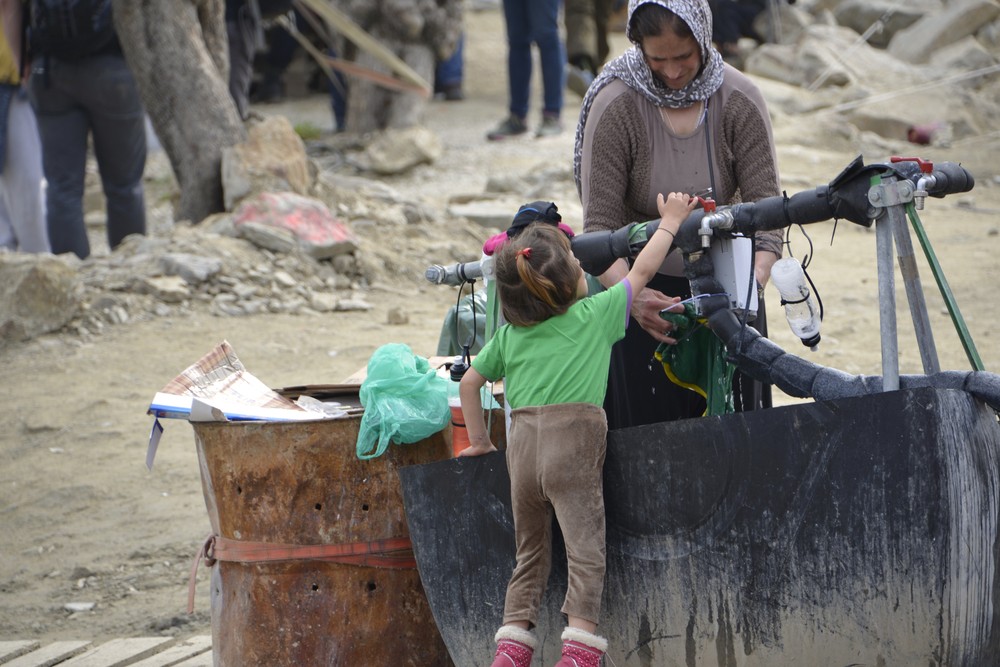
In September 2020, the European Commission finally presented its New Pact on Migration and Asylum. The proposals were supposed to inject much-needed momentum into the reform of the European asylum system, which the Council has delayed for too long. But again, we see that Member States maintain well-known positions to block even the slightest progress […]
Related articles
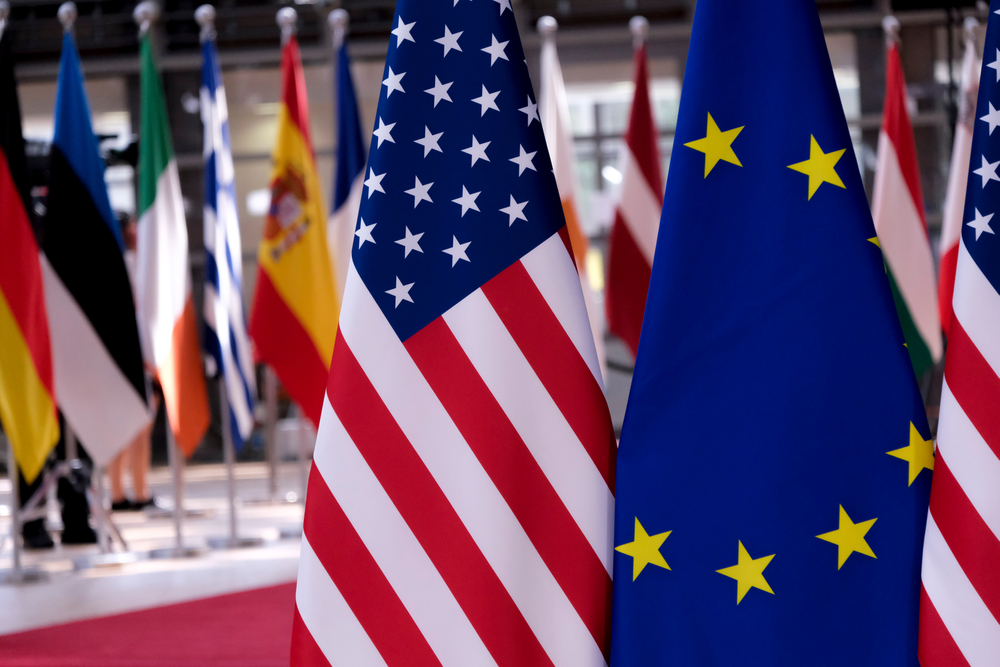
US-EU relations: back on track, but for how long?
In recent months, the transatlantic relationship has reached a constructive equilibrium. Both the EU and the US have taken concrete steps to bolster the multilateral order and combat illiberal forces at home. But progressives on both sides of the Atlantic should be realistic about the daunting challenges that lay ahead, and European policymakers should plan […]

India’s G20 leadership: navigating a divided world and bridging the gap
As the countdown to the 18th G20 summit in India (9-10 September) begins, the capital New Delhi already wears a festive look to host the large summit. Born out of the 1997-1998 global financial crisis, the G20 consists of Argentina, Australia, Brazil, Canada, China, France, Germany, India, Indonesia, Italy, South Korea, Japan, Mexico, Russia, Saudi Arabia, […]
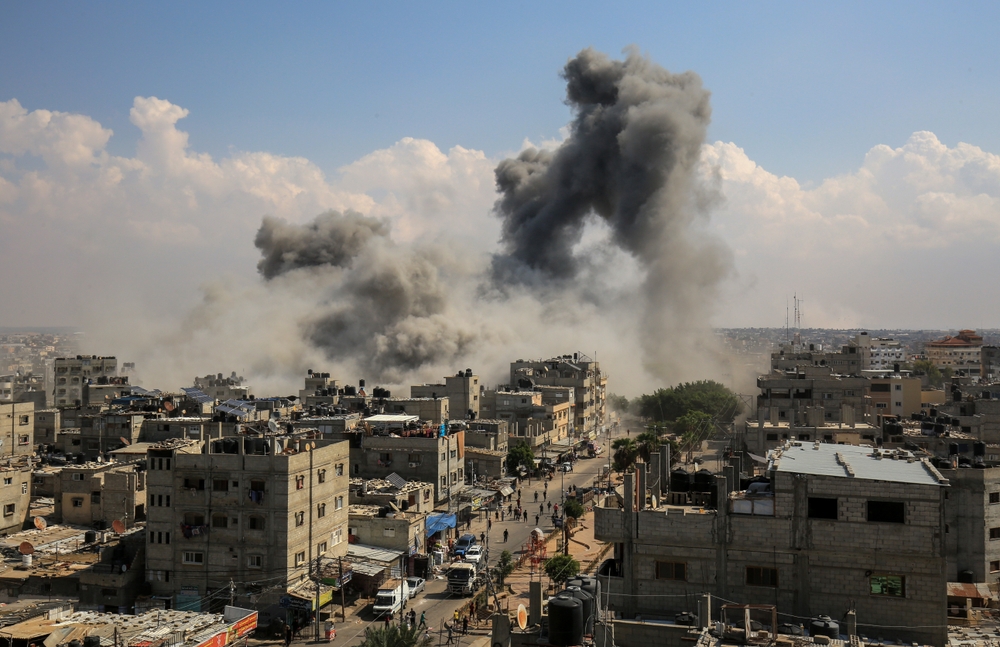
Despite the unprecedented Israeli-Palestinian crisis, new opportunities for peace emerge
More than a month since the deadly Hamas terror attack on Israel on 7 October, Israelis are processing the horrors, working to bring home more than 200 hostages, mobilising in mass numbers to support those in need, wishing for the safe return of soldiers and reservists, and yearning for a leader who can take responsibility, […]