

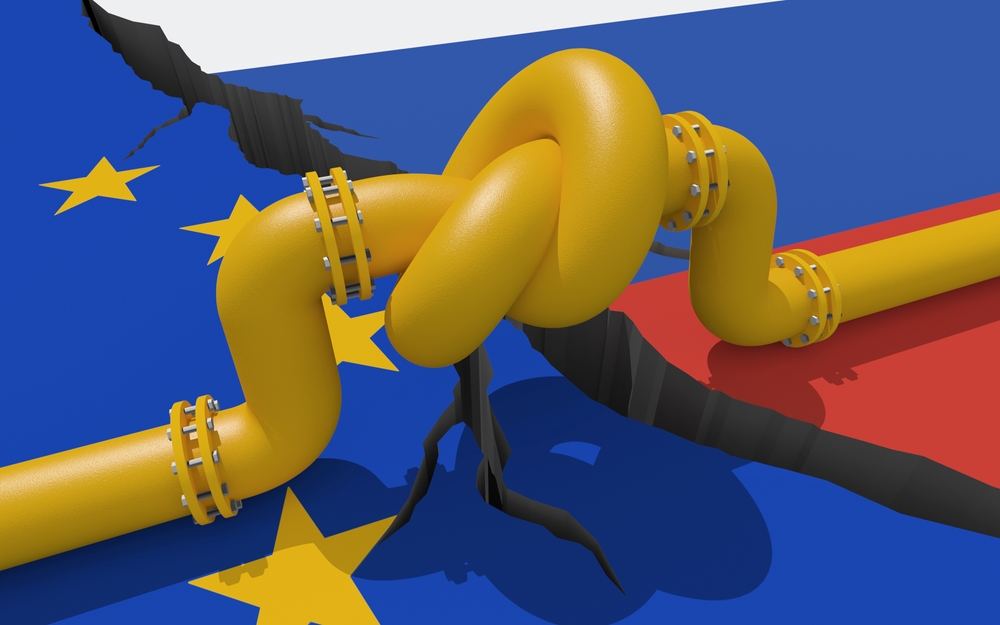
When Vladimir Putin first invaded Ukraine in 2014, Europeans had a simple choice: increase or decrease their energy dependence on Russian fossil fuels. Europeans chose to increase. National governments like Spain and France could have freed themselves from Russian gas just by implementing their own national building renovation plans. But they chose not to.
Europe’s energy challenge
Russia’s war against Ukraine has disrupted energy markets and impacted the geopolitics of energy. As a consequence, oil and gas prices have reached their highest levels in a decade and have forced many countries to reshuffle their energy supplies. The war can be described as a hydrocarbon war, as the money coming from the export of fossil fuels over the past years and even today is financing Putin’s invasion. By ending its dependence on Russian fossil fuels, Europe could inflict serious damage on the economic model that has underpinned Putin’s aggression.
However, while the EU is trying to reduce its dependence on Russian oil and gas, it has delivered too little yet. Furthermore, the EU’s efforts to ensure other fossil energy supplies are producing energy insecurity in third countries.
In this dossier, the Progressive Post addresses some of the questions that this energy crisis and the changes in the global energy market have raised. What contributions can energy efficiency and renewable sources make to a stable, resilient and climate-friendly energy system? Will the REPowerEU strategy lead to sound energy policies? Do we need to rethink the governance of energy markets as we change our energy sources?
Load more
The UK is no longer part of the European Union, but it is a critical player in the European gas market. As the EU seeks to reduce its dependence on Russian gas, it relies on proximate non-EU states for access to an alternative gas supply, transport, and transit source. This requires cooperation, not competition or exclusion.
Last March, Spain and Portugal reached a historic agreement: for the first time ever, two European countries could set a price cap on gas for power generation, for a period of twelve months. A period to seek agreements was opened in both countries, which ended on 9 June, when the European Commission gave the final approval to the mechanism. This undoubtedly proves that the current European Union is very different to the European Union we were living in during the financial crisis of the last decade.
Related articles
US-EU relations: back on track, but for how long?
In recent months, the transatlantic relationship has reached a constructive equilibrium. Both the EU and the US have taken concrete steps to bolster the multilateral order and combat illiberal forces at home. But progressives on both sides of the Atlantic should be realistic about the daunting challenges that lay ahead, and European policymakers should plan […]
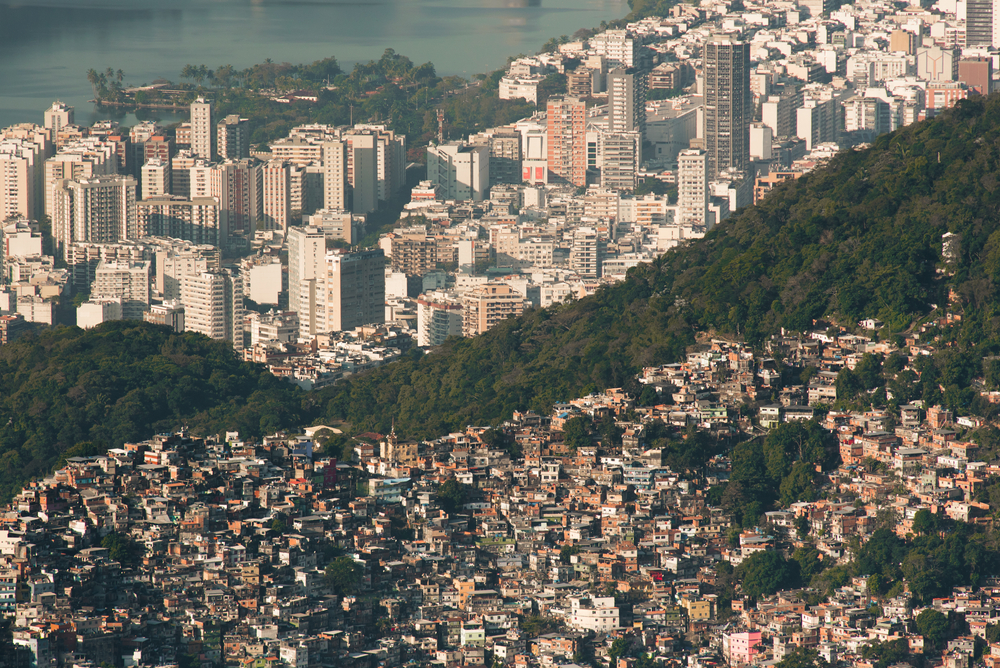
The new pink tide in Latin America: Can they move further?
After some prior success and many limitations, left-wing governments are back in Latin America. Whether or not they can move further in fighting inequality depends on the policy space to implement a redistributive agenda. Unfortunately, the social and geopolitical conditions are now less favourable than before, and leftist governments might face increasing obstacles ahead. After […]

The West in the minority or the reform of global governance
The signs of crisis in the system of global governance created after the Second World War are multiplying. If these trends continue, it is not difficult to predict that we will have, in addition to a West that can no longer lead the world alone, a fragmented and weakened multilateral system, incapable of responding to […]