


There is no doubt that the Covid-19 pandemic has changed the way we work and live. To avoid long-term scarring effects and promote good working lives, a comprehensive policy agenda must deliver job quality, together with measures supporting individuals through the life course, and a fair and inclusive labour market. Covid-19 was a critical event […]
Can work be compatible with well-being?
While the Covid-19 pandemic seems behind us without really being so, and while for many workers, many aspects of reality seem pretty much the same now as we knew it before, long-term effects on the work floor seem to be lingering, notably concerning health and well-being, but also work-life balance, work motivation and career prospects. Among those most impacted by the changes are, unsurprisingly, the weakest, like those working in the care sector and, more specifically, the domestic and home care services. Equally unsurprisingly, there is an undeniable equality challenge, not least due to the still largely gender-segregated labour market, and to the unbalanced distribution of unrewarding tasks and unpaid work.
In this new dossier, the Progressive Post explores these topics, asking a largely unexplored question: to what extent is our very conception of the idea of ‘productivity’ gendered, when many forms of face-to-face services, among which care work, are incompatible with the logic of increasing productivity?
Load more

Echoing the famous feminist mantra ‘one is not born, but rather becomes a woman’ this article argues in a similar vein that ‘one is not born (un)productive, but rather becomes so’, to highlight the socially constructed and highly gendered dimension of this core economic concept of productivity. The beginning of a new year is the […]

Structuring the domestic and home care sector is the only way to reach the Care strategy targets of quality, affordability and accessibility of care services. In its Care strategy, released on 7 September 2022, the European Commission recognises the role of home care and community-based services in the care policy mix and the role of […]
Related articles

Future of work: between global, digital, local and green
The analysis of the future of work is sandwiched between two megatrends. On the one hand, there is the renewed hyper-globalisation in the services sector, reinforced by progress in digitalisation and Artificial Intelligence, and on the other hand, there is a relocation of production and services linked to the imperative of the green transformation. Two […]
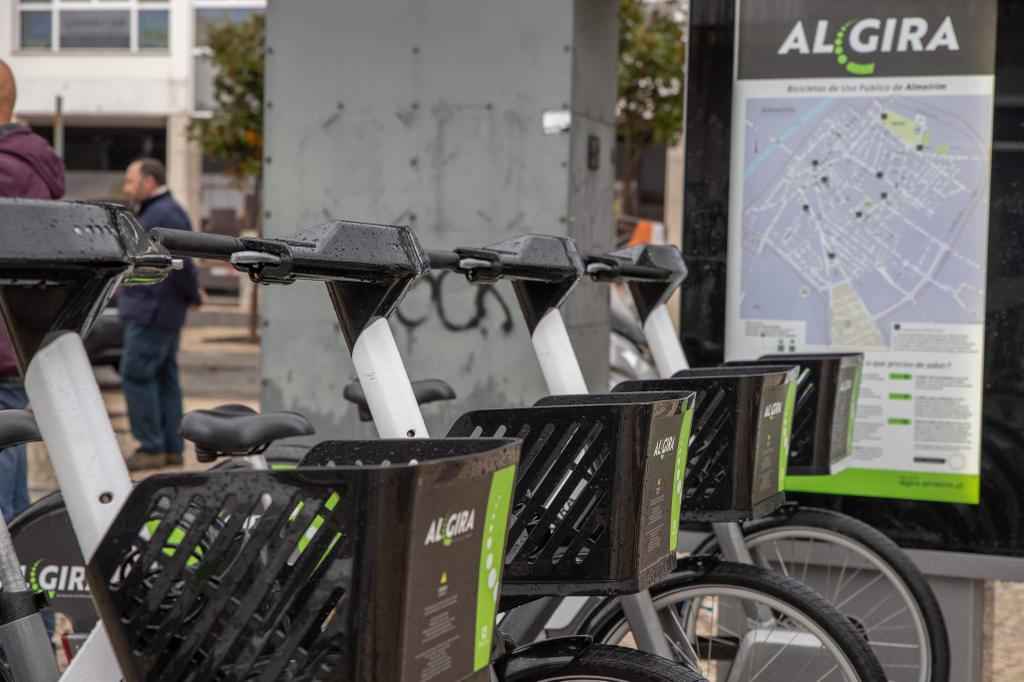
Pedalling towards progress: Almeirim’s vision for sustainable mobility and community well-being
Progressive leaders believe in their capacity to instigate positive change in people’s lives. They understand that taking the initial steps and pioneering new paths is often met with initial resistance but, ultimately, garners recognition and appreciation from the community. Embracing sustainable mobility, with a particular focus on promoting bicycle use, stands as a progressive endeavour […]
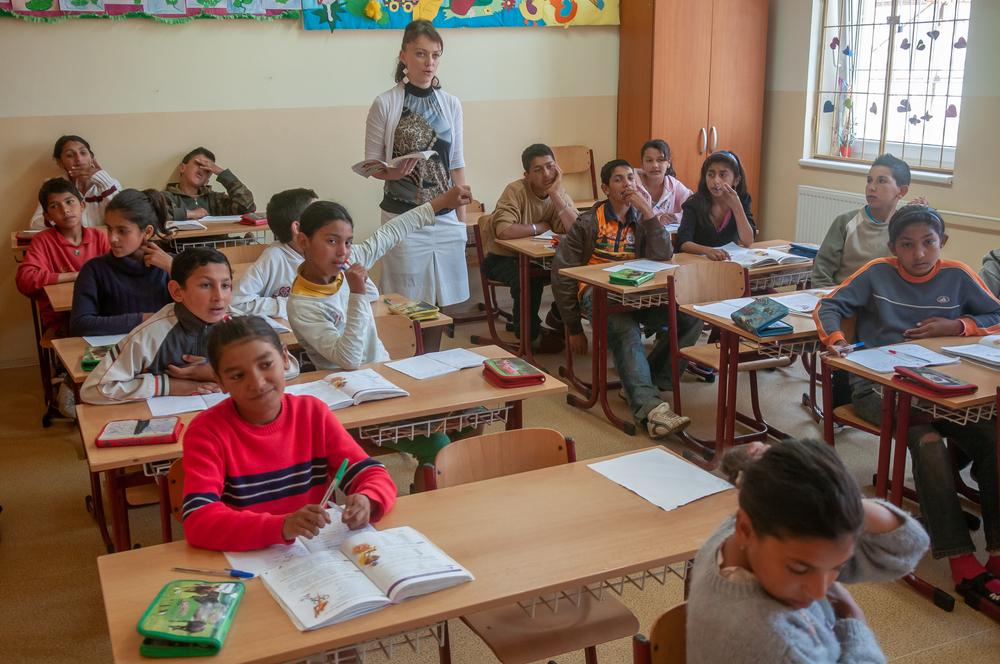
Social investment is key to overcoming the inclusion impasse
Roma integration strategies in the EU have not been particularly successful. However, the European Commission is right to relaunch an overhaul of this policy more than one decade after the first edition. To succeed, the integration strategies must be coupled with measures that combat inequality and promote social investment. One consequence of the Eastern EU […]