
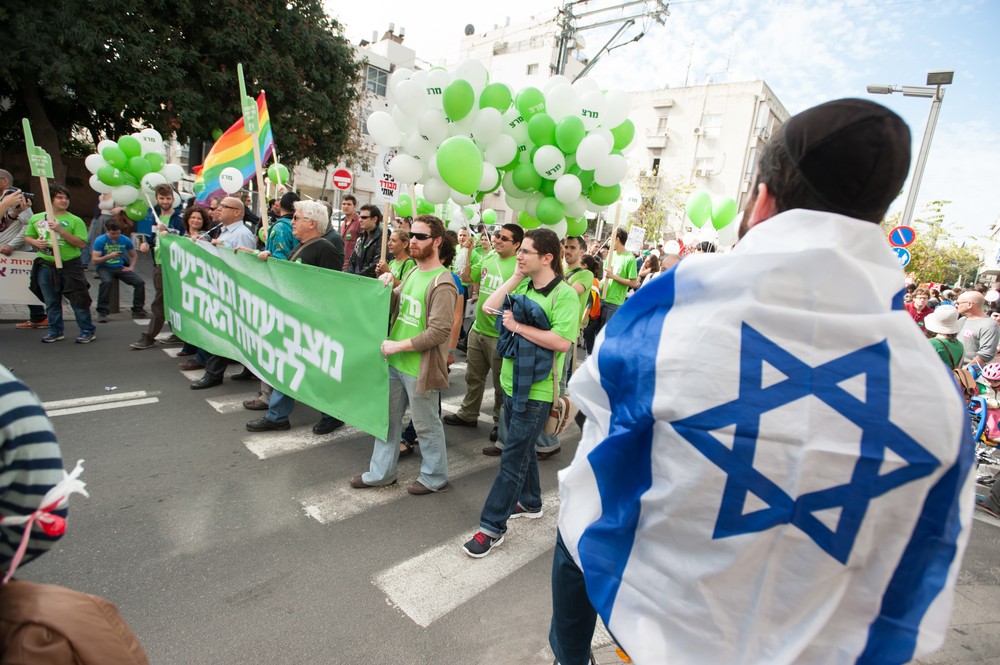
The progressive camp in Israel has been trying for years to find its way back to the corridors of power and influence. So far unsuccessfully. Those seeking ways for change often wonder whether the solution to Israel’s problems will emerge from outside, for example driven by international action. Or if it may come from within, […]
Left and right in toda's Israel
One of the EU’s close neighbours, Israel, is gearing up for its fourth legislative elections in less than two years. It is a long-standing economic and trade partner of the EU, but relations with it are always overshadowed by the still unsolved conflict with the Palestinians and the vanishing of any real prospects for the peace process, under the enduring dominance of the Israeli Right.
For the Progressive Post, the upcoming elections are an opportunity to look at Israeli internal political dynamics and its political spectrum, and to reflect on the state of progressive forces in the Mediterranean country. Roee Kibrik, Director of Research at Mitvim (the Israeli Institute for Regional Foreign Policies), describes how the Israeli Right – which has been in power since 1977, with only few and short interruptions – has changed over time, gradually abandoning liberal principles in the name of ideological and political considerations.
Nimrod Goren, head of Mitvim and lecturer for Middle Eastern Studies at the Hebrew University of Jerusalem, focuses on the progressive camps’ attempts to recover its power and influence and considers the options to meet this goal, in particular the role played by partnerships with the progressive organisations outside of Israel, an aspect that has been neglected for years but that the common fight against the erosion of democracy in many countries has recently reinforced.
A critical assessment from a progressive perspective of the role of Israel in the region, the recent Abraham Accords (signed in September 2020) and relations with Israel’s allies, namely the US, is finally provided by Ksenia Svetlova, former member of the Knesset and Director of the Program on Israel-Middle East Relations at Mivim, who claims the need for the progressive camp in Israel to offer a real alternative agenda in foreign policy, one based on an inclusive dialogue.
Load more
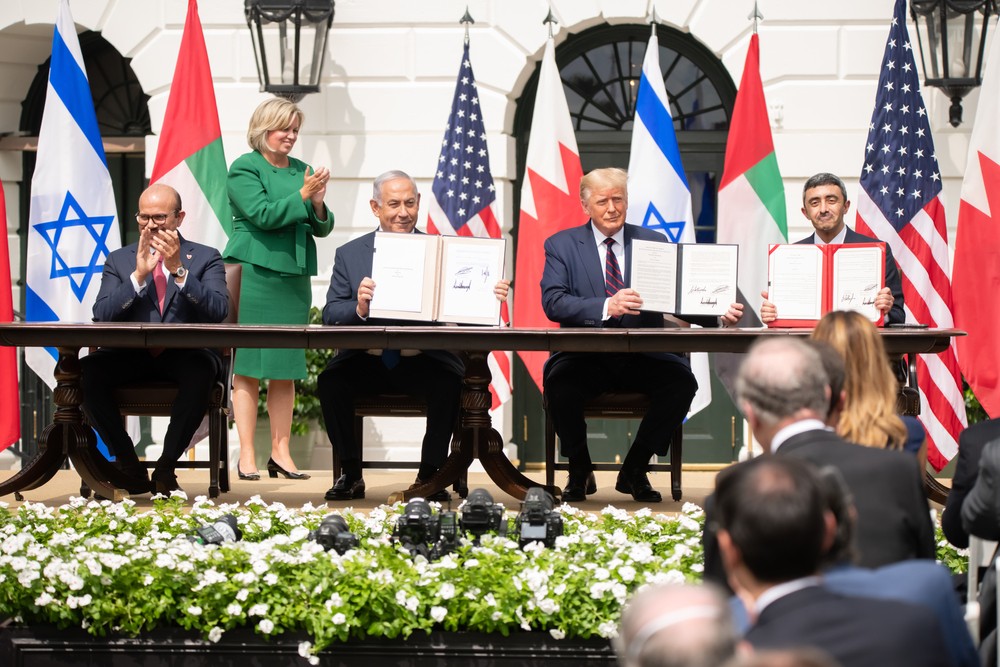
The Abraham Accords that were signed recently between Israel, Bahrain and the United Arab Emirates (UAE) can be equalled to a tip of an iceberg: much more is laying beneath the surface. These accords were signed only in September 2020, but they build upon two decades of diplomatic work, communications and visits. It also represents […]
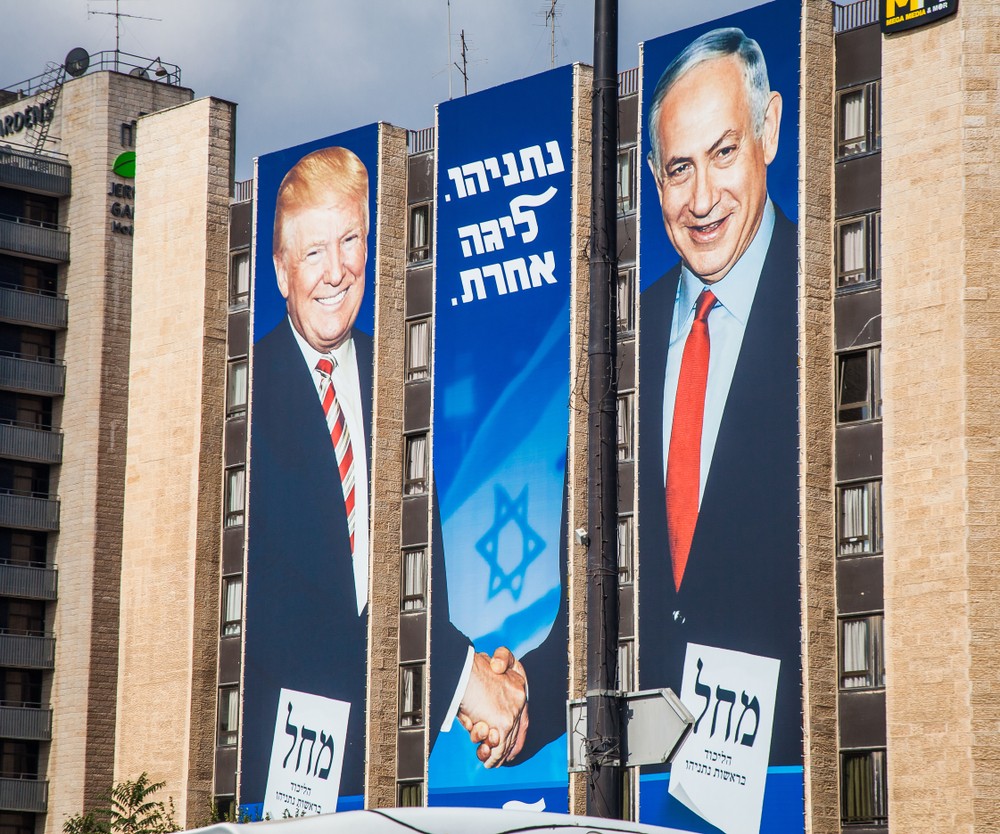
To understand Israel properly, one must get to know the political right, its characteristics, components, and the changes it has undergone in recent years. The right has been in power since 1977, save for the brief terms of Yitzhak Rabin (1974–77, 1992–95) and Ehud Barak (1999-2001) as prime ministers. It has been a partner in […]
Related articles
Europe in times of wars
In these times of wars, Europe will have to reinvent itself if it wants to have a future. Increasing Europe’s capacity to define and implement its own strategy in the face of the major conflicts of our time will be key. In the war in the Middle East, we need to be firm to disable […]
In defence of negotiations
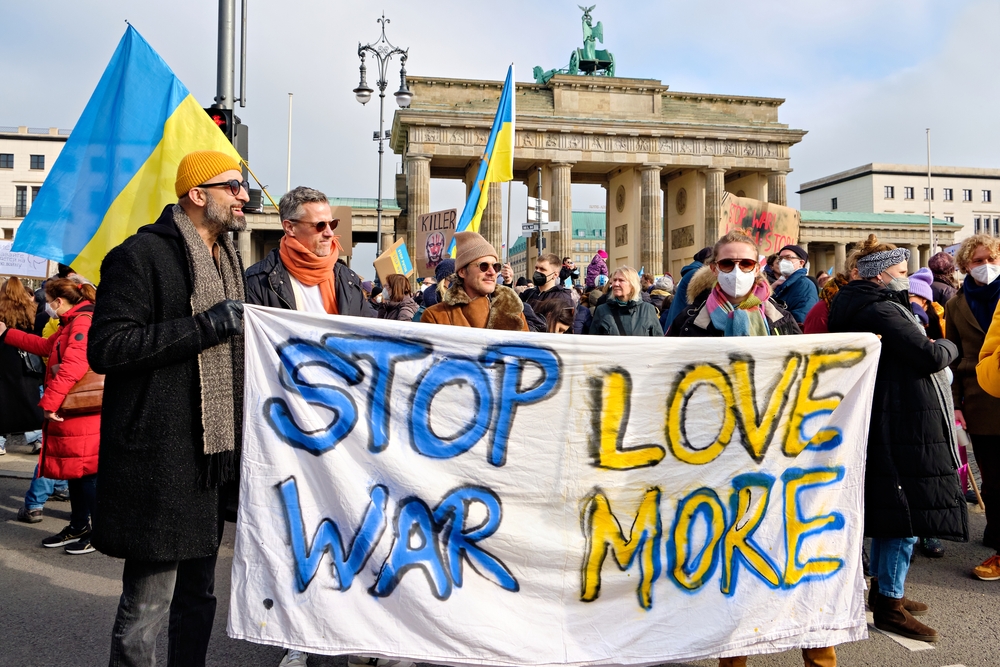
At first glance, the Social Democratic basic values of liberty, justice, and solidarity seem to command one – and only one – obvious course of action regarding the war in Ukraine. The Russian attack is a flagrant violation of everything Social Democracy stands for: liberty is under attack and justice is undermined. Full solidarity is […]
Turkey in its region: security first and ‘Make Turkey Great Again’
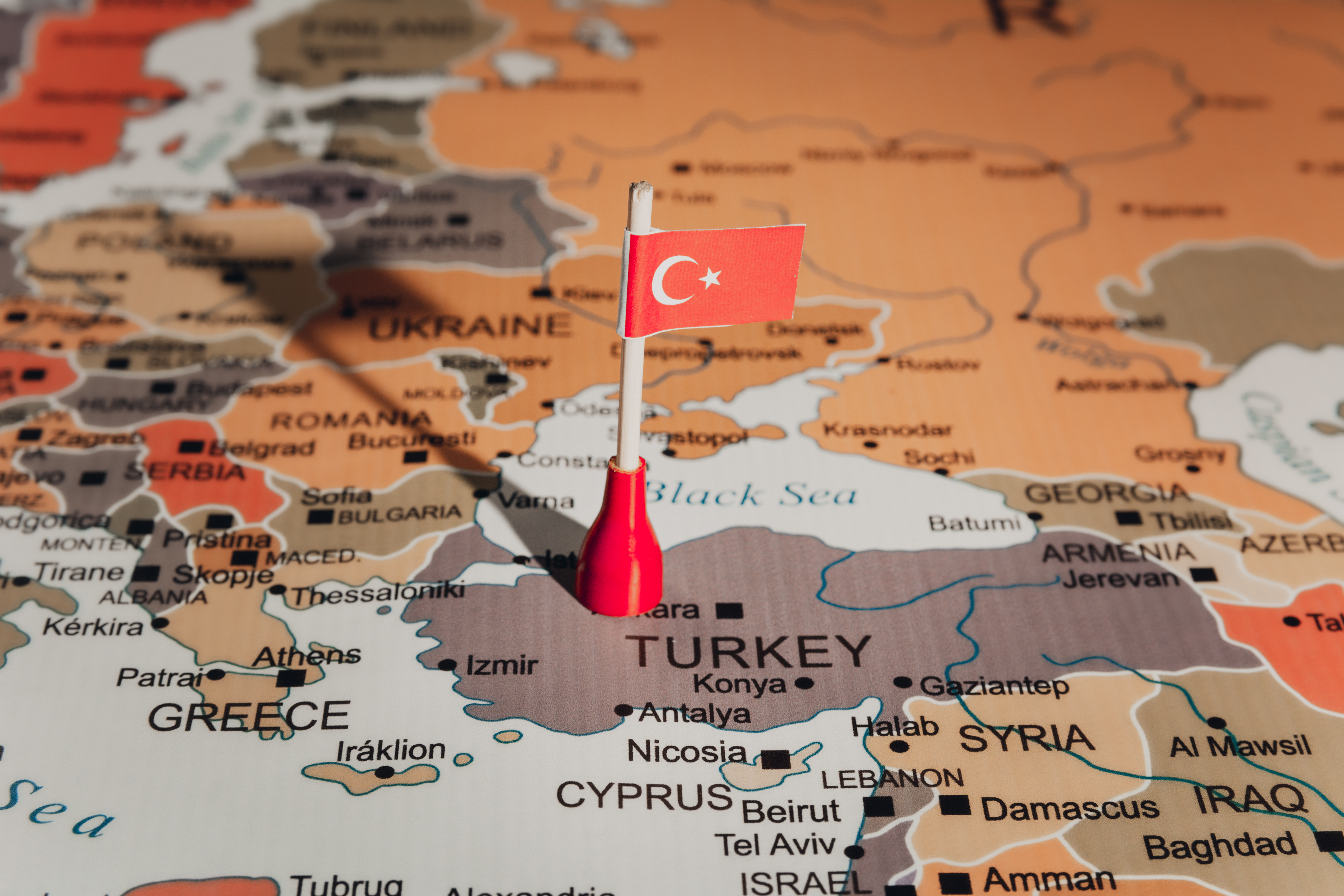
The mass attack by Hamas from the Gaza Strip to Israel, and Israel’s collective revenge-oriented response to it, offers an appropriate and timely case study to re-visit Turkey’s role in ‘the region’ by exposing its real constraints. It shows a certain mindset that when one speaks of ‘the region’, one does not think of the […]