

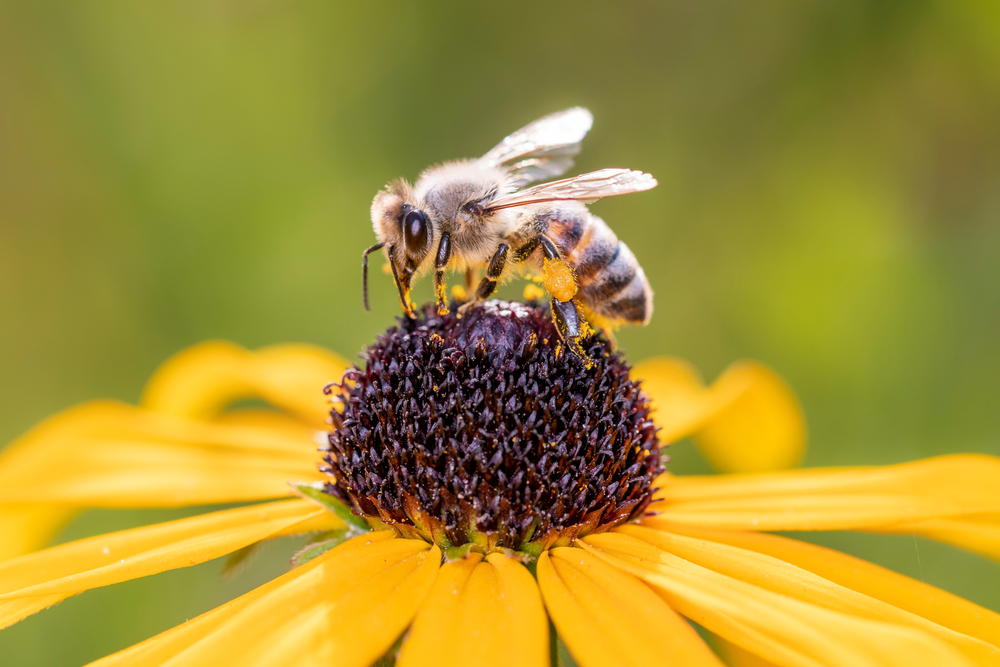
A triple planetary crisis is unfolding before our eyes. Climate change, pollution and biodiversity loss have a common cause: humans’ destructive attitude towards nature. The decline of biodiversity – a major threat to human subsistence and wellbeing – has long been overlooked. It is time for governments at all levels to prioritise this systemic crisis. […]
Nature and us: why biodiversity matters
Today, the world celebrates the International Day for Biological Diversity. Humans need healthy and vibrant ecosystems for their own survival. They need food, water and clean air. But because of our destructive, utilitarian and exploitative attitude towards nature, we represent the biggest threat to biodiversity conservation. It is not just about preventing the extinction of some exotic species – it is about our own very survival, and that of many species we take for granted. However, we are creating the conditions of our own destruction: human actions are causing the current sixth mass extinction. The deforestation, destruction of natural habitats and pollution we are causing jeopardise the entire ecosystem Earth.
This is no longer a question of what planet we will leave to our children, but on what planet we will live very soon. To revert this trend and halt global biodiversity loss, we must first and foremost change our relationship with nature and recognise that our own survival and well-being depend on the survival and well-being of the ecosystems around us. On a political level, governments worldwide must translate their international commitments into concrete actions, and urgently.
With this dossier, the Progressive Post wants to highlight the absolute importance of the preservation of biodiversity, and the fact that it is an individual as well as a shared responsibility.
Load more
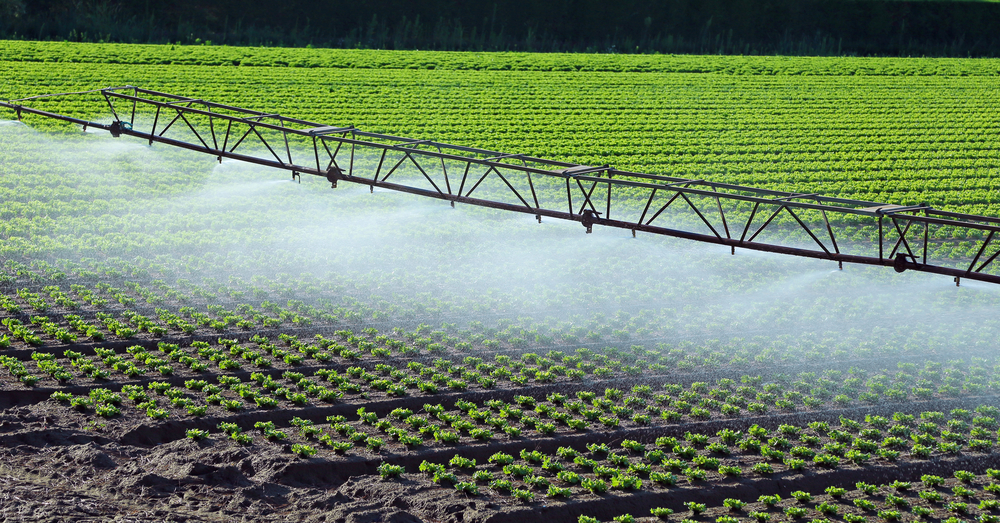
The goals and targets agreed upon in a new ambitious international framework to restore global biodiversity will only be met if countries radically transform their agriculture and food production systems. The EU needs to be a leader in bringing food production and consumption back within planetary boundaries. The numbers are staggering: since 1900, an estimated […]
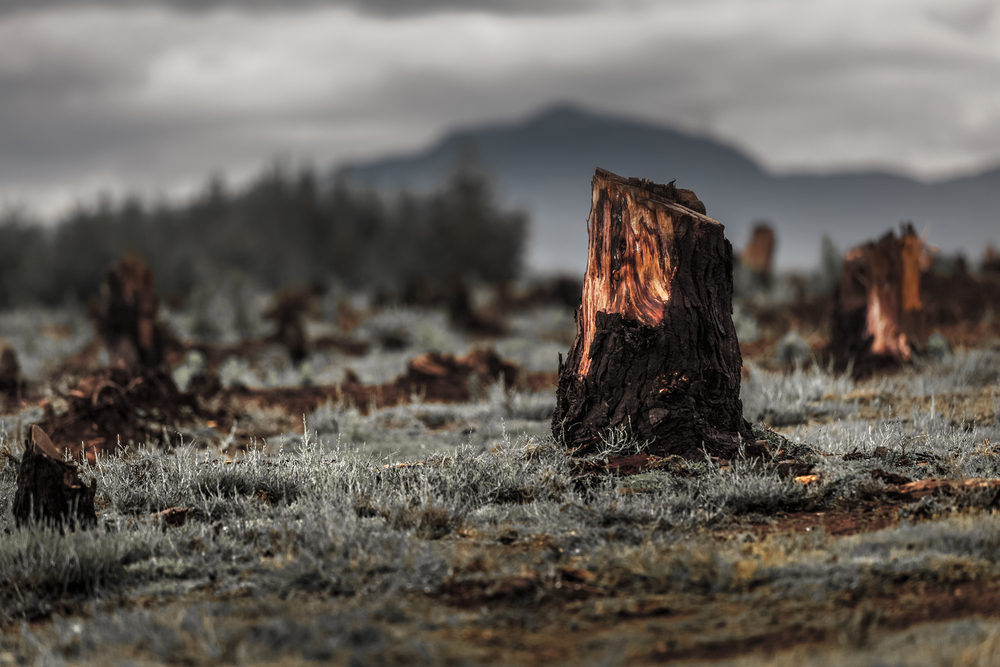
The focus of environmental policies is mostly on tackling the cascade effects of climate change affecting our planet as a whole. Nature conservation, however, can also very effectively contribute to climate change adaptation. But to tackle the climate issues together with nature, a shift in the current mindset is urgent and measures to tackle the […]
Related articles
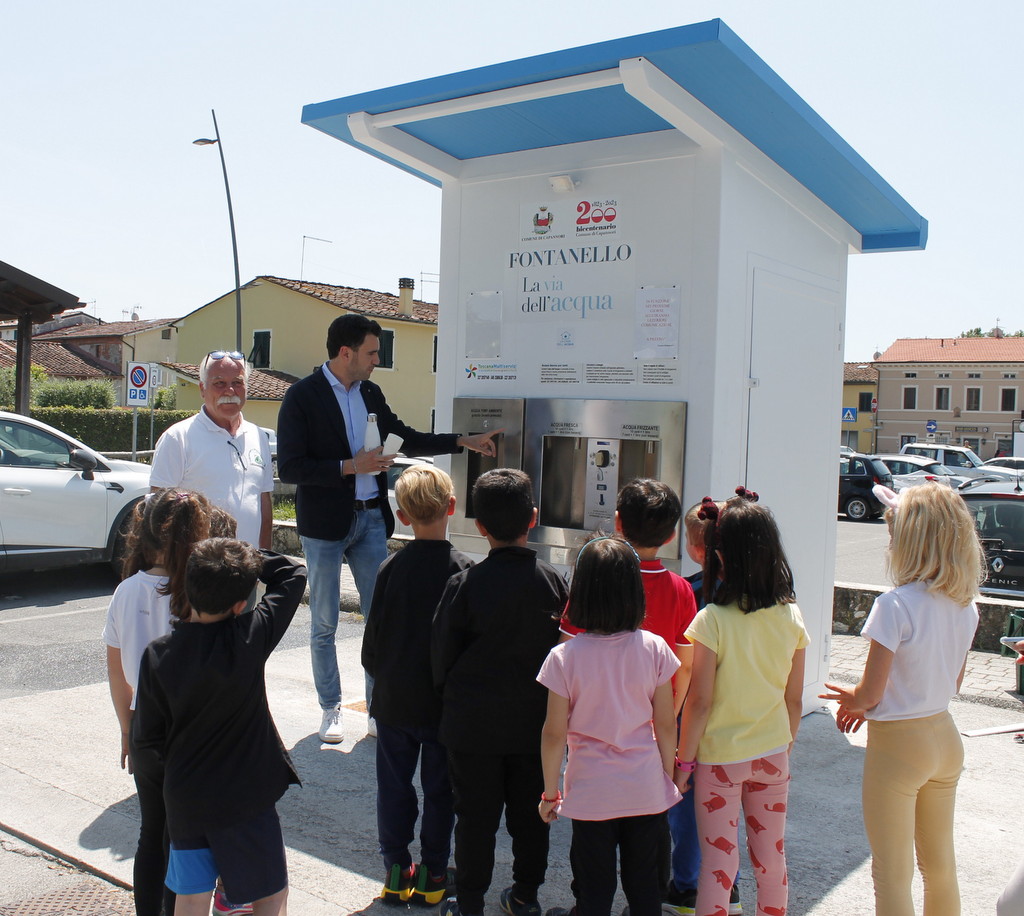
Capannori: reuse and recycling at the centre of environmental practices
Reducing undifferentiated waste upstream: this is the real challenge of our ‘Zero Waste’ philosophy and strategy, and this is what we have managed to do in the Tuscan municipality of Capannori thanks to the great involvement of citizens. If, in the early 2000s, separating waste well with separate waste collection was the gold standard for […]

Pedalling towards progress: Almeirim’s vision for sustainable mobility and community well-being
Progressive leaders believe in their capacity to instigate positive change in people’s lives. They understand that taking the initial steps and pioneering new paths is often met with initial resistance but, ultimately, garners recognition and appreciation from the community. Embracing sustainable mobility, with a particular focus on promoting bicycle use, stands as a progressive endeavour […]

For a new global deal
Attending a conference of the UN climate change negotiations is always an experience of cognitive dissonance. Sharm El Sheik, an Egyptian version of Las Vegas, purpose-built for cars and mass tourism, provides a stark illustration of the inherent contradiction plaguing the climate talks: changing everything while changing nothing. Our increasingly unstable economic, political and social […]