

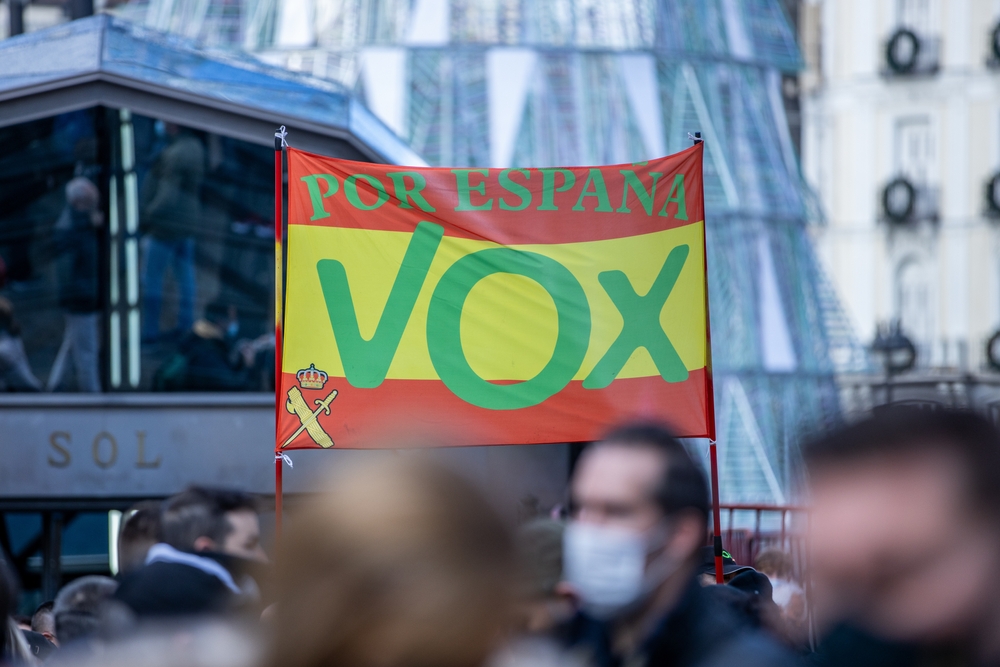
Far right populist parties have mobilised economically insecure voters by scapegoating immigration. Social Democrats should re-set the agenda by mobilising around equality, rather than copying far-right populist strategies. The far right is no longer confined to the political margins. Under the more palatable guise of ‘populism’, and a language that centres on national and popular […]
Is the centre-right still 'centre'?
A dam seems to be cracking more and more and it might soon come to the point of breaking: European centre-right parties are increasingly willing to either team up with far-right parties to form government coalitions – or at least to govern with far-right parties’ support, as happened recently in Sweden. Or, in a much more subtle manner, they are less and less immune to far-right speaking points, mostly regarding immigration, LGTBQ rights and environmental legislation.
Where do centre-right political parties that played such an important role in post-WW2 Europe stand today? Are they still able – or even willing – to form the backbone of political life they played in many countries for a long time? Or, confronted with an exodus of voters, do they succumb to the shrill tones of insurgent movements? The Progressive Post dedicates this dossier to the centre-right, which has, for decades, been Progressives’ main rival, but one that could be respected and taken seriously not only because of its electoral relevance but also because of the consistency of its political views. The question is, can it still be taken intellectually seriously, beyond its electoral relevance?
Load more

Europe’s leading Christian Democratic parties are currently facing a major crisis as they lack principled leadership and programmatic vision. A major risk is that they respond to this crisis by emulating authoritarian political projects. Christian Democratic parties have historically been among the most important political forces in western Europe. Parties such as the German CDU, […]
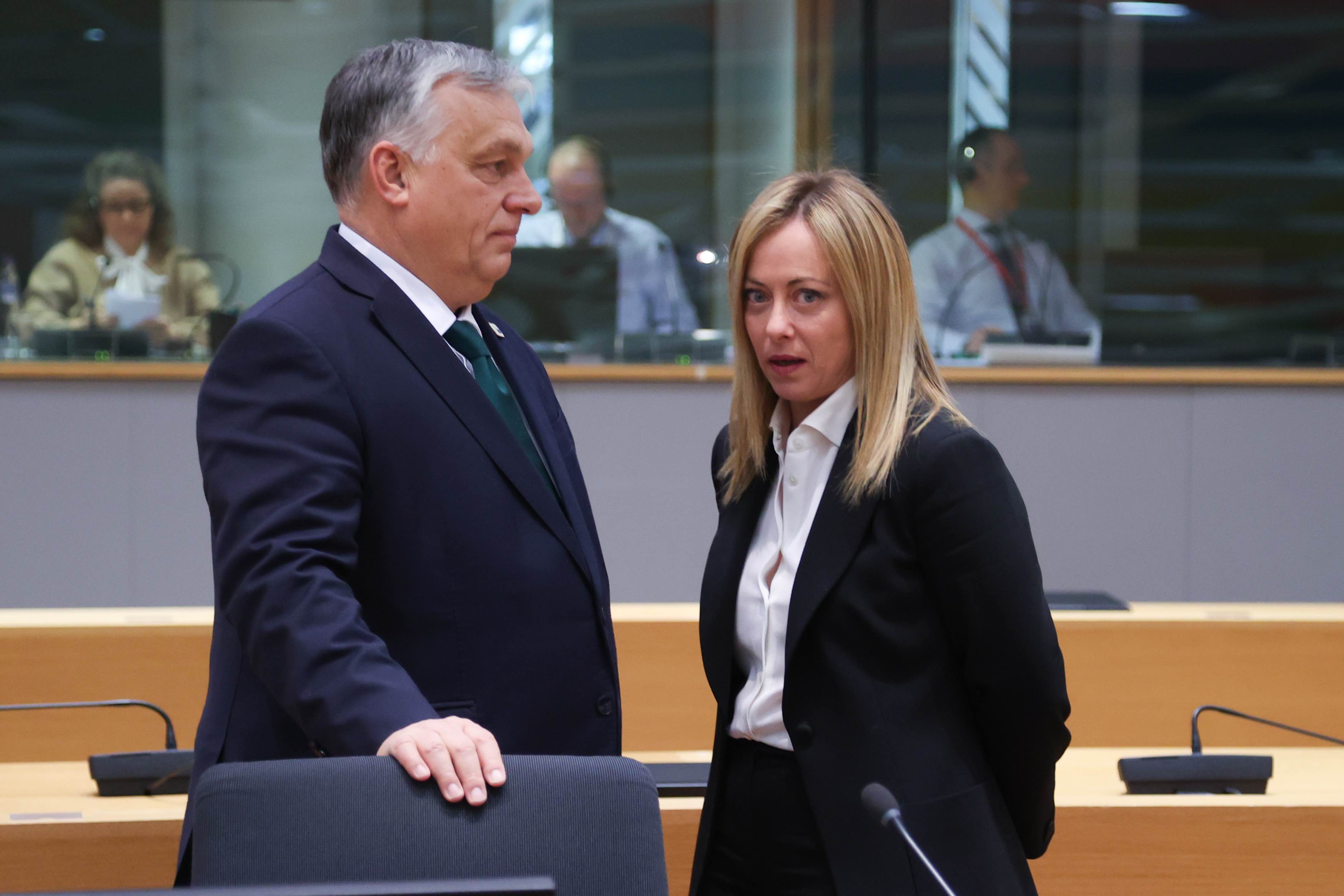
Despite high support for EU membership in Hungary, over a decade of Eurosceptic rhetoric by Prime Minister Viktor Orbán’s Fidesz party has had a lasting impact on voters’ attitudes. In the coming years, negative campaigns against the EU may become even more prevalent in Hungarian politics. Various aspects of the relationship between the Hungarian government […]
Related articles

Upcoming national elections in the Netherlands: the case for Social Democrats and Greens joining forces
This article was written with the valuable contribution and under the co-authorship of Ties Huis in ‘t Veld, the international secretary of the PvdA, whom the Progressive Post wishes to thank warmly. This November, snap elections are scheduled in the Netherlands. For these polls, the Dutch Social Democrats (PvdA) have decided to present a common list […]

A European interest: is there such a thing?
Does a European interest exist? And if yes, what are its characteristics? Fascinating as these questions might be, there is no easy answer: even in the case of a traditional polity as a state, there is no consensus on how to define national interest. Even the national interest is considered a rather obscure and analytically […]

Two Turkeys and the opposition at a crossroads
The Turkish election results mean continuity in domestic and foreign policy with a tendency to more authoritarianism at home and an eastward-looking foreign policy. For the opposition, the cards are being reshuffled and it seems that for now, the time of more liberal experiments is over. The result of the second round in the presidential […]