
As fears of a recession make fiscal policy ever more relevant, we need to discuss reforming economic governance rules. Many of the Commission’s good intentions fail to achieve what they set out, leaving us with a fiscal architecture that is pro-cyclical and unreliable, hindering the green and digital transitions and economic growth. After three years […]
EU fiscal rules: more democracy and ambition!
The reform of the EU fiscal rules will dominate the Brussels agenda until the end of this year. The Commission proposal is a significant improvement compared to the original framework, but is not ambitious enough in terms of enabling the green and social transition. It does not have explicit room for green investment nor a link to a common EU capacity. The safeguards, introduced at the last moment, are also not helpful and defeat the original logic of the reform. Moreover, its procedural propositions are not supportive of democratic principles.
With this dossier, the Progressive Post offers recommendations on how to improve the fiscal proposal. They range from improving the democratic legitimacy of the process to recommendations on technical aspects of calculations. We should not forget that particular political choices sit behind the technicalities of calculations. Therefore, the discussion should be brought to the level where it belongs – the political level, with questions and debates about the choices we make for our society.
Load more
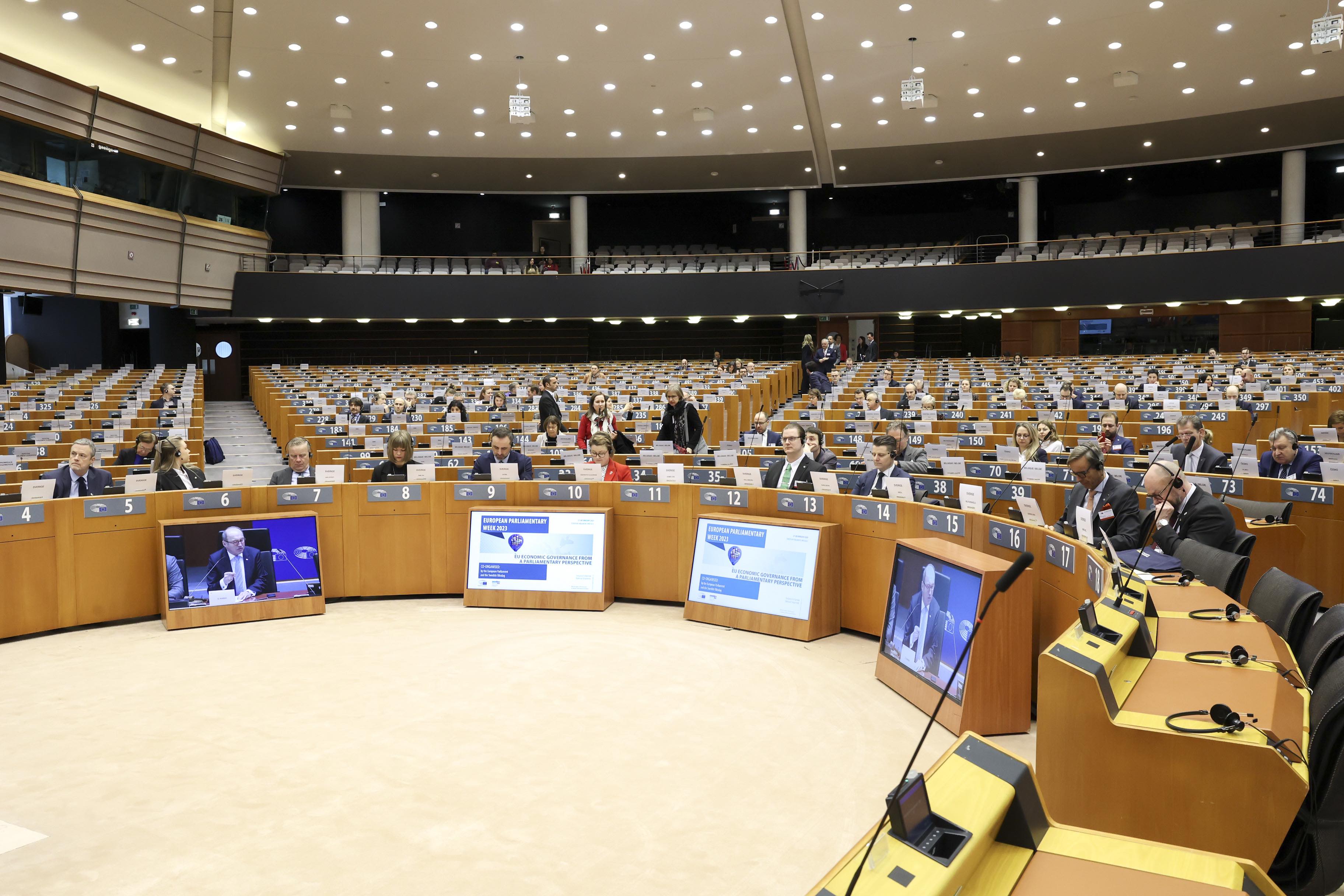
The EU’s current reform of economic policy coordination rules risks worsening rather than improving its democratic deficit. However, the proposals could still be democratised, and this would serve the EU both politically and economically. When the French government raises the retirement age or when a new anti-child poverty allowance is cut down in Germany, EU […]
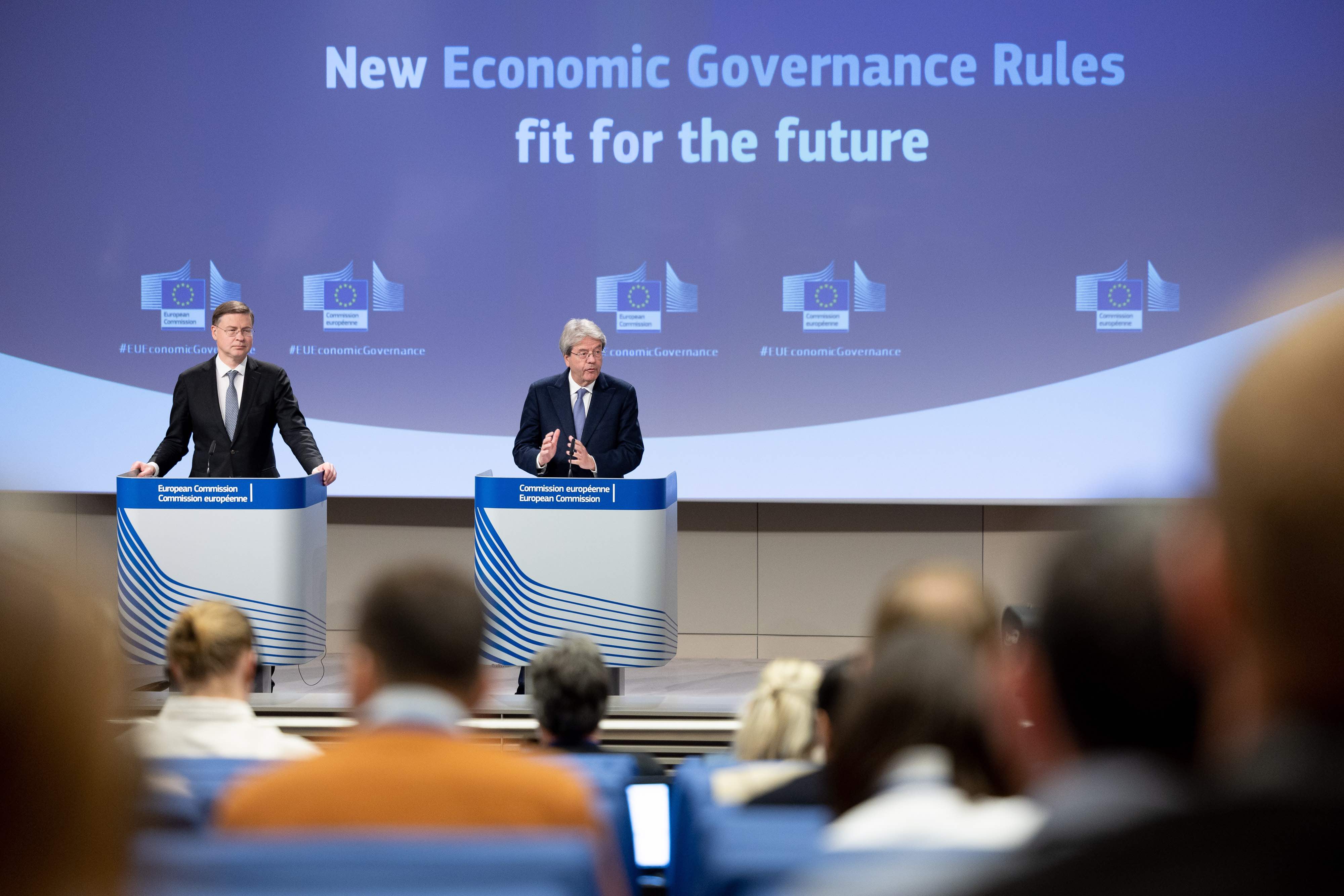
The economic governance reform is very much a political issue. The EU Commission has brought forward a package for reforming the EU fiscal rules. Behind its technicalities, which may be difficult to navigate for the uninitiated, lie choices that are political by nature: what societal objectives to prioritise? Who takes the decisions? The proposals made […]
Related articles
Europe’s socio-ecological transformation requires a very different industrial plan
Today’s reality can increasingly be described as a polycrisis: the Covid-19 pandemic and the subsequent disruption of global supply chains; the war in Ukraine and the resulting fossil fuel price crisis; rising inequalities between and within countries, exacerbated by inflation; and, of course, climate change. We need to transform our economy to make it resilient […]
The spirit of NextGenerationEU and a new geopolitical strategy
After more than 15 years of crises – from the rejection of the Constitutional Treaty, over the financial crisis, to Brexit – Brussels no longer seems a place of opportunities and solidarity, but it is seen as synonymous with austerity, inequality and growing divergences, in the face of divisive sovereignty. However, the 2019 European elections […]